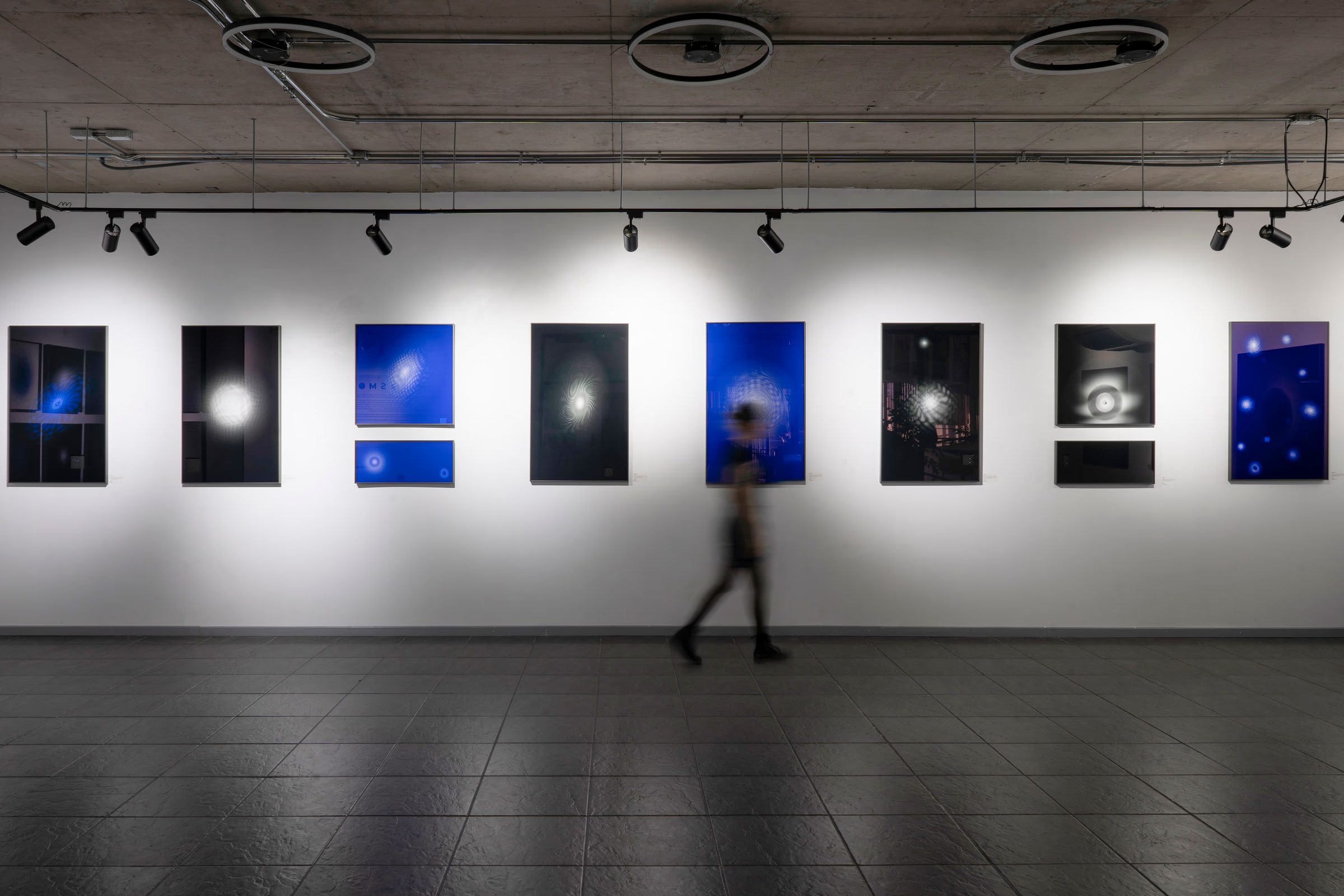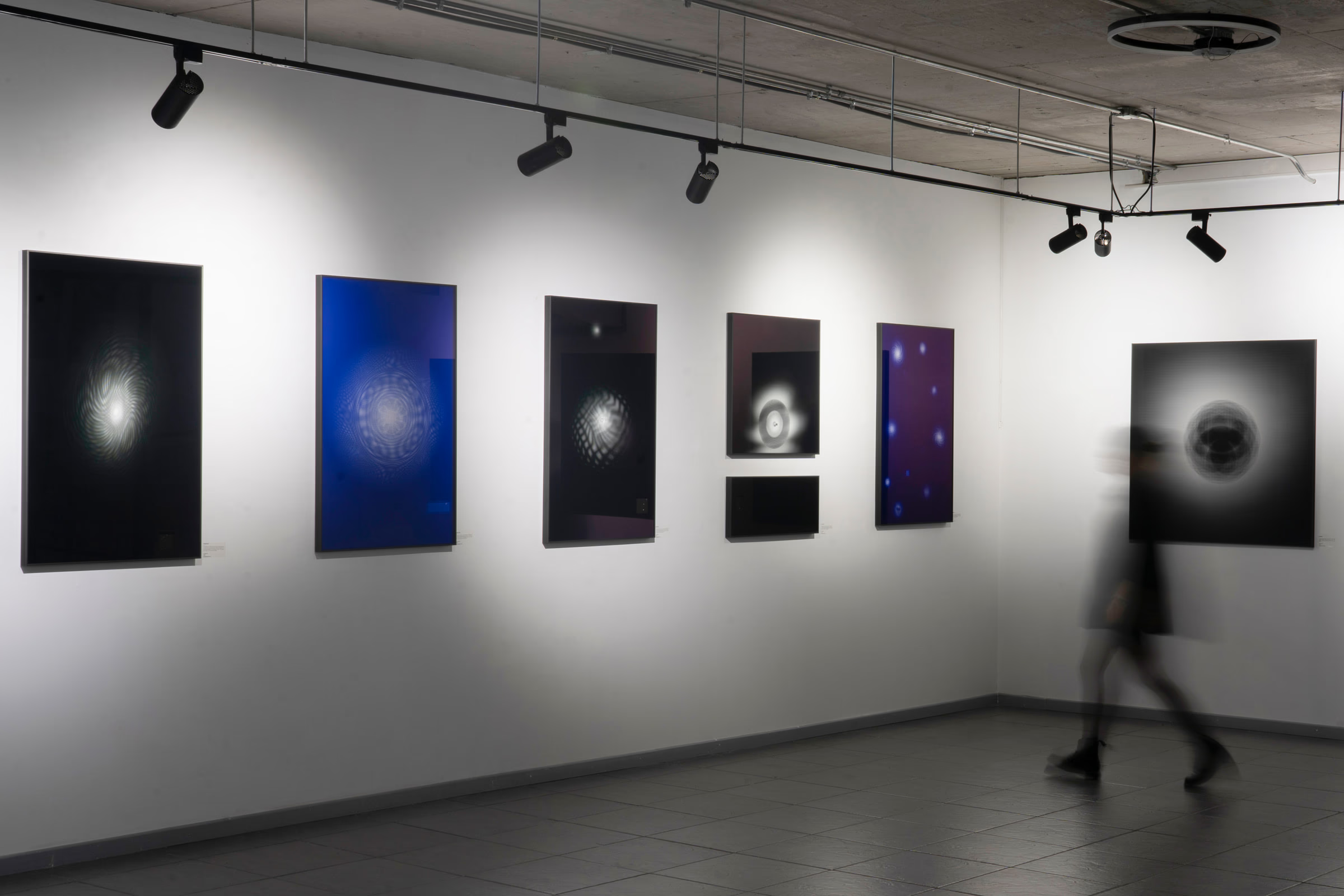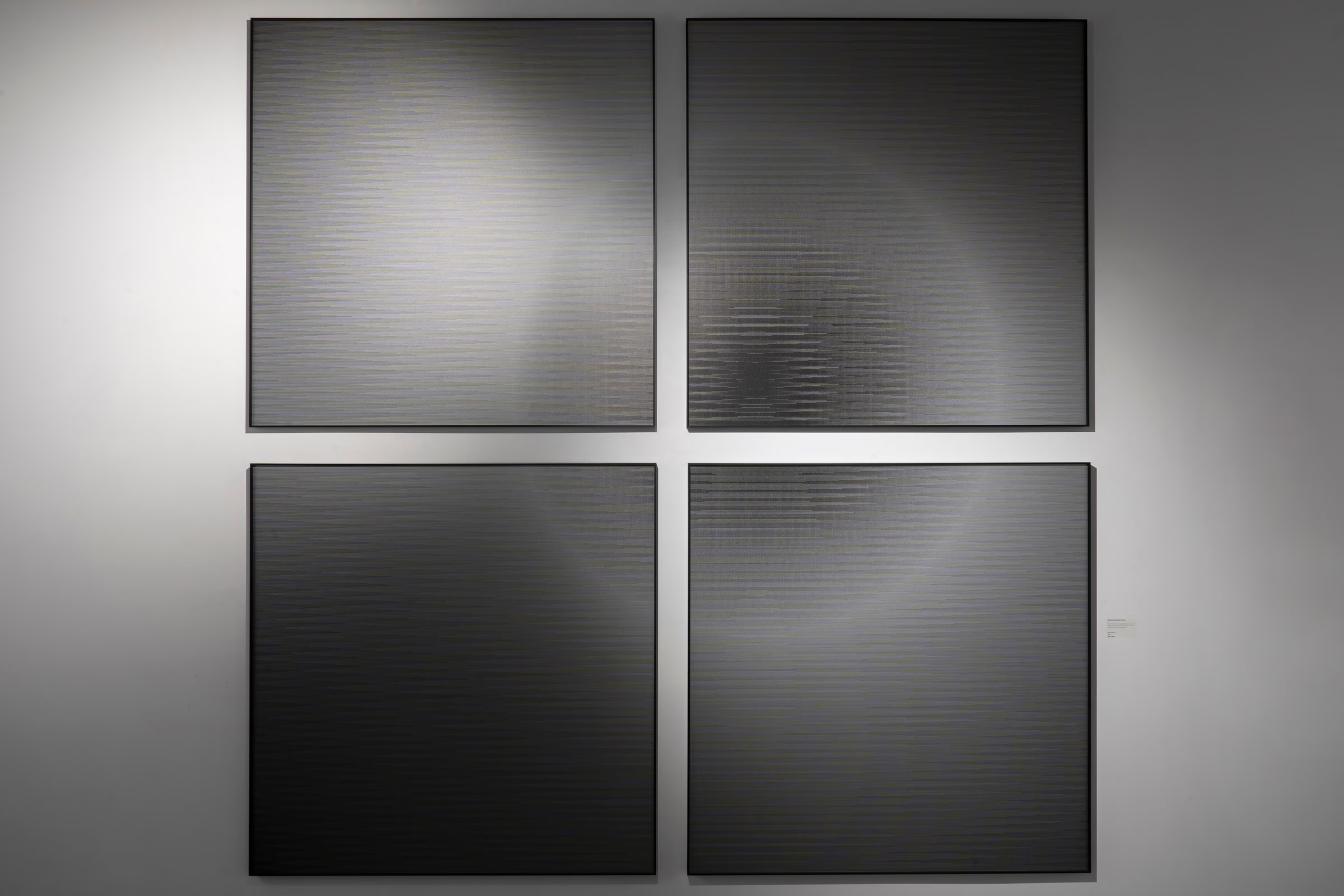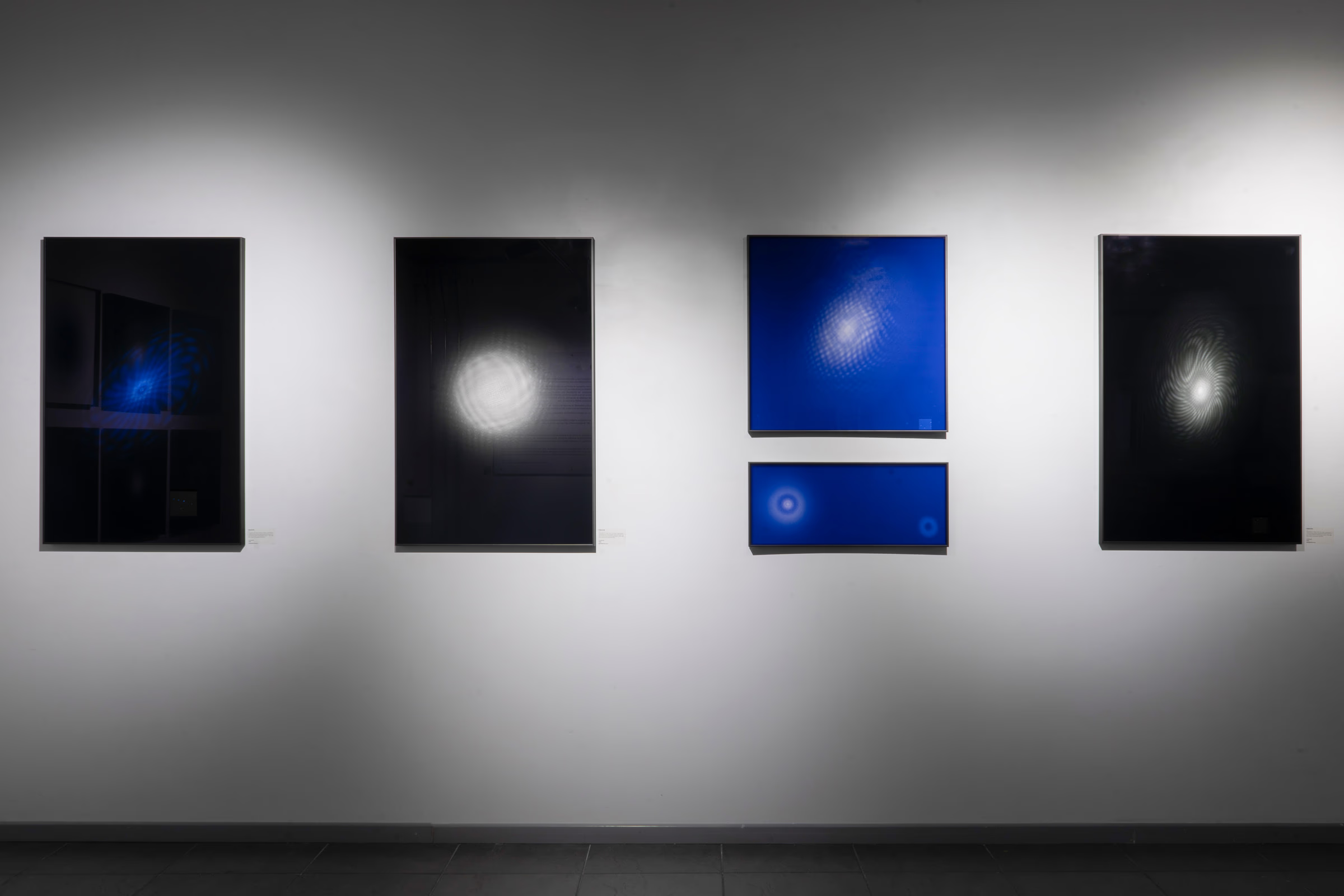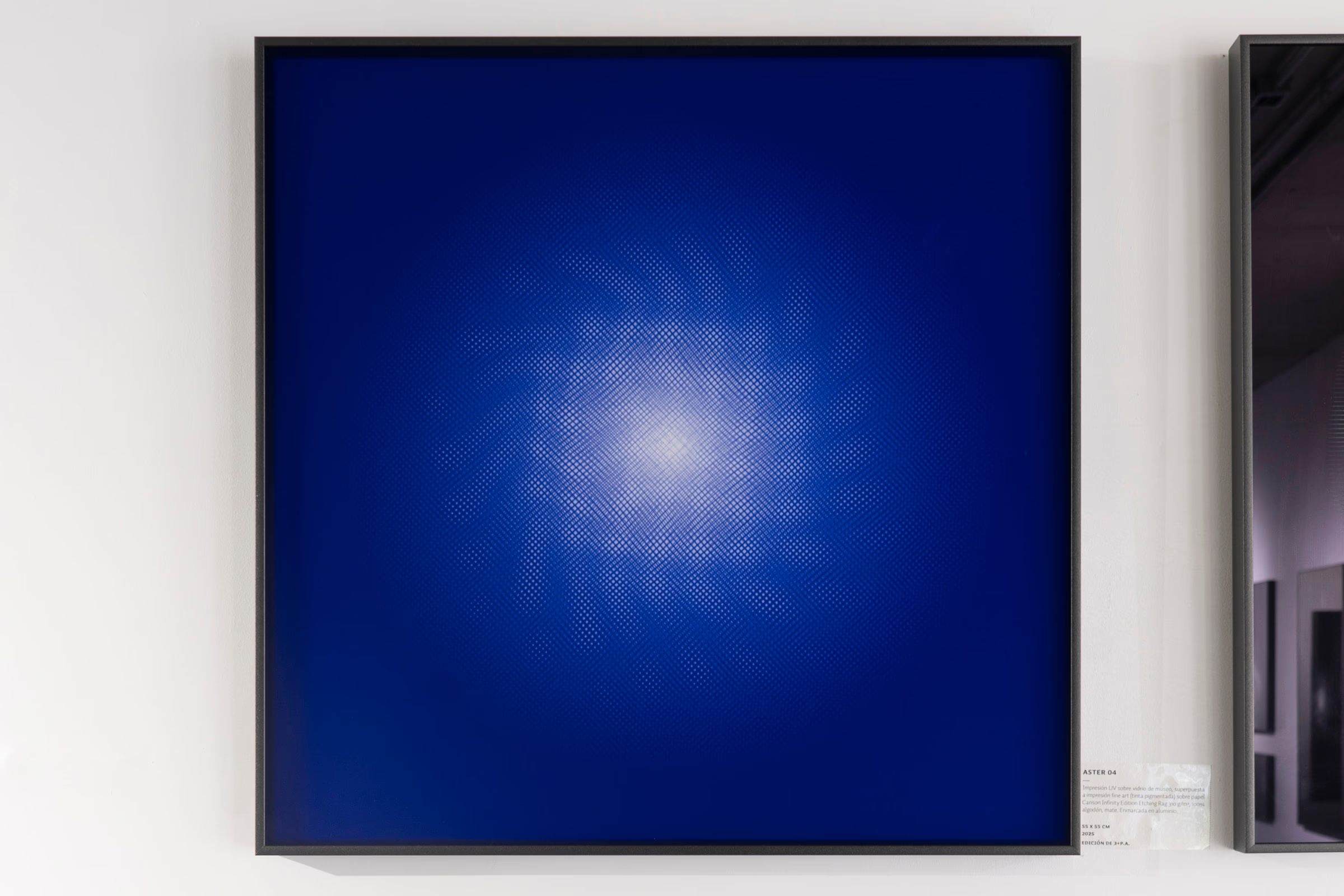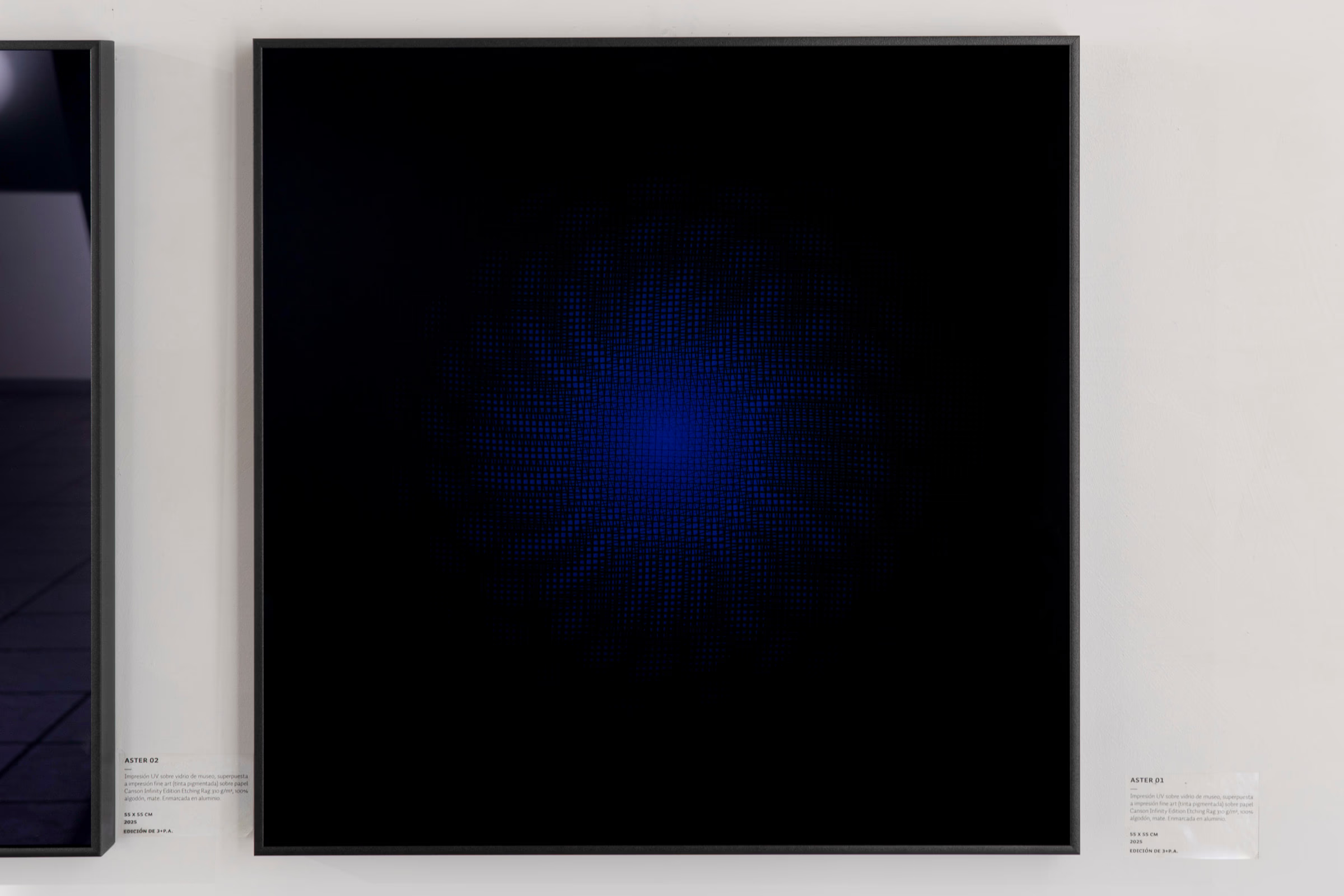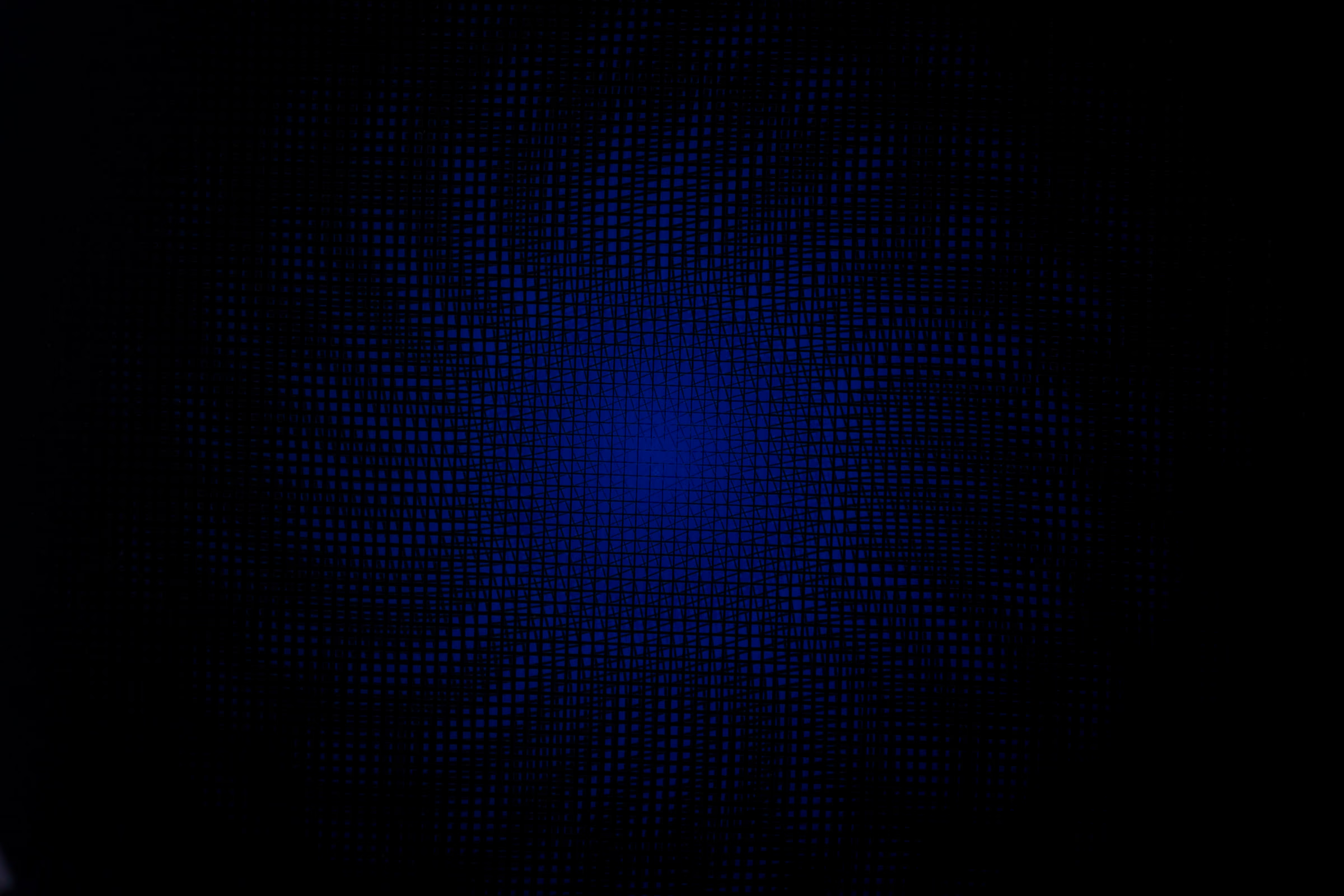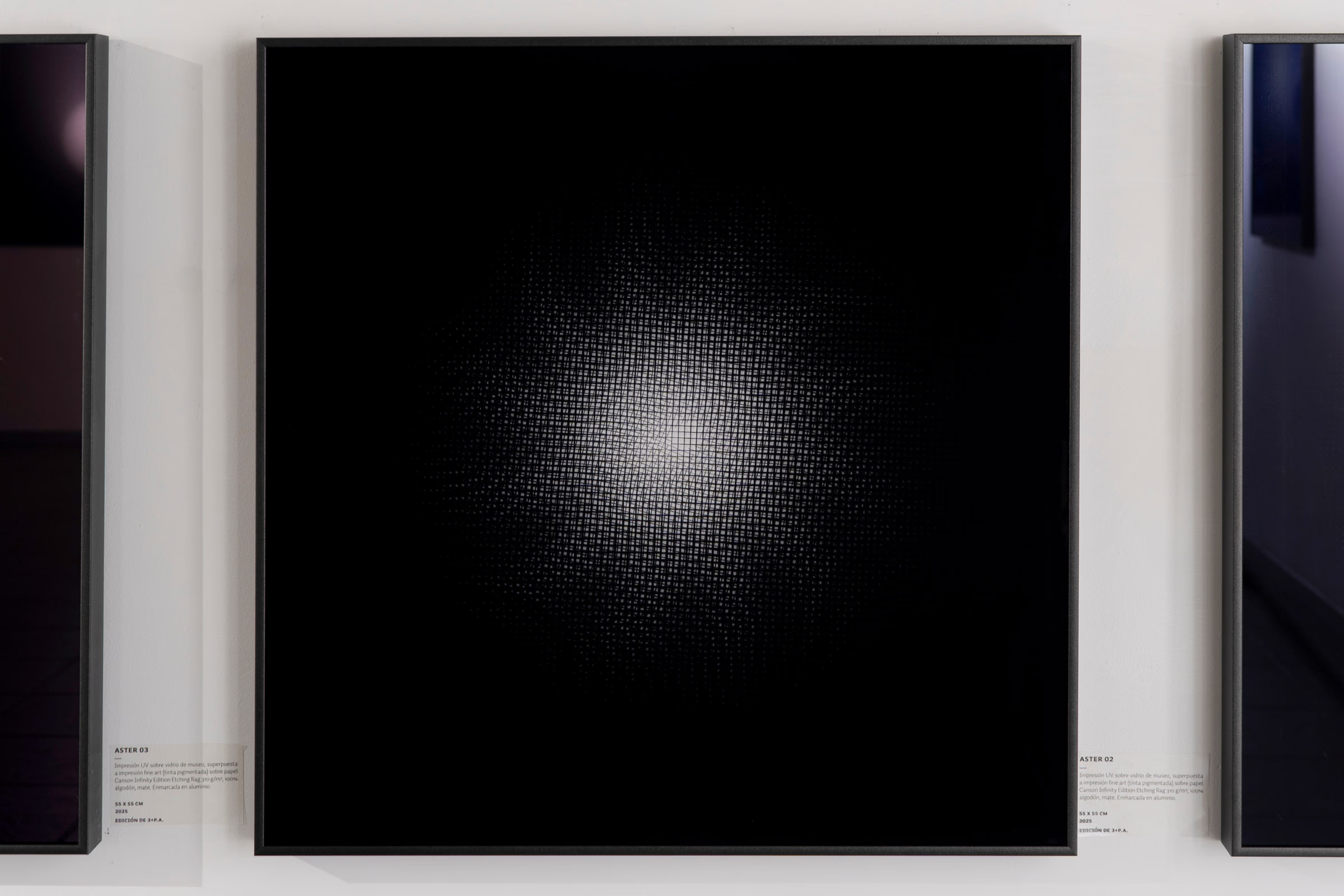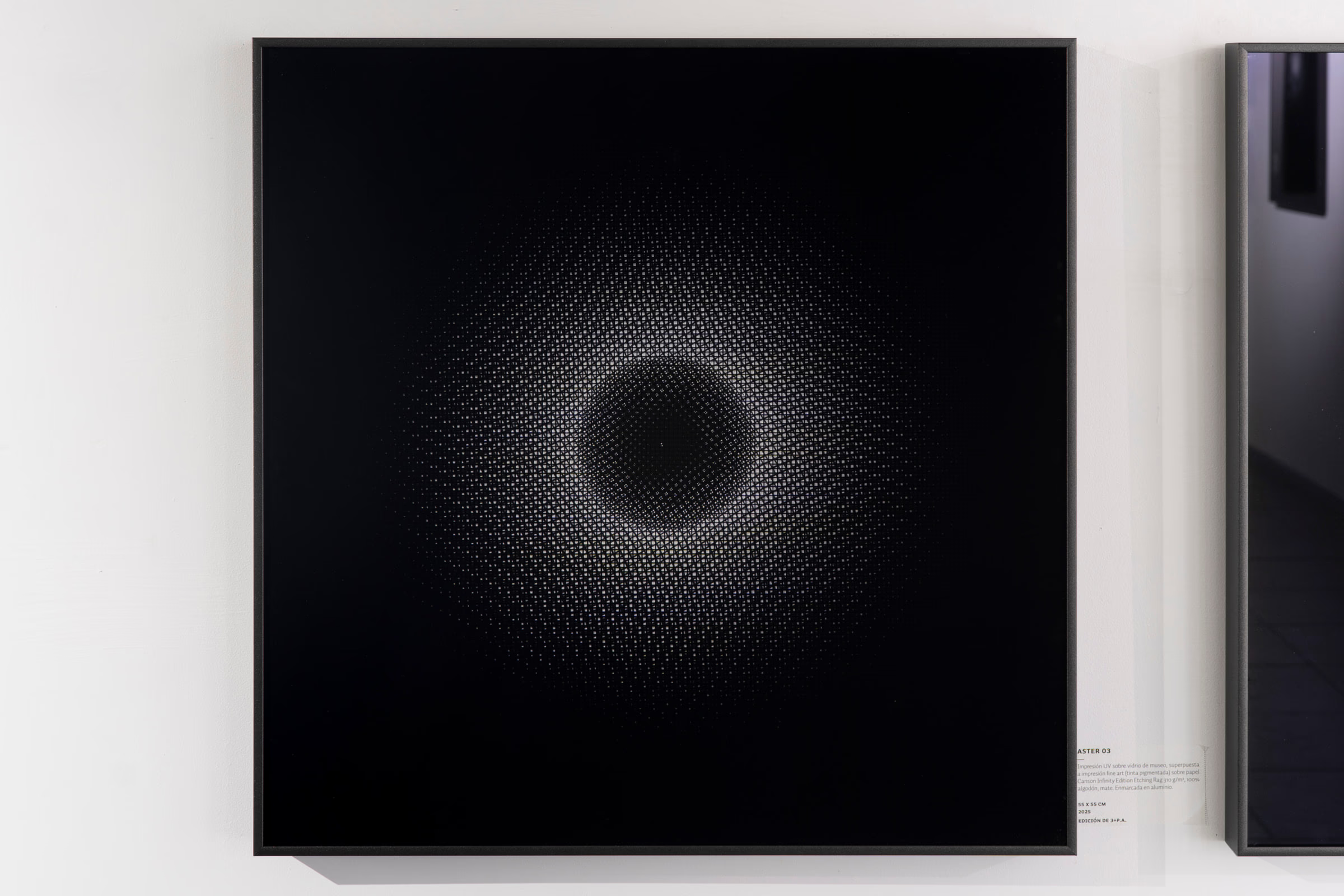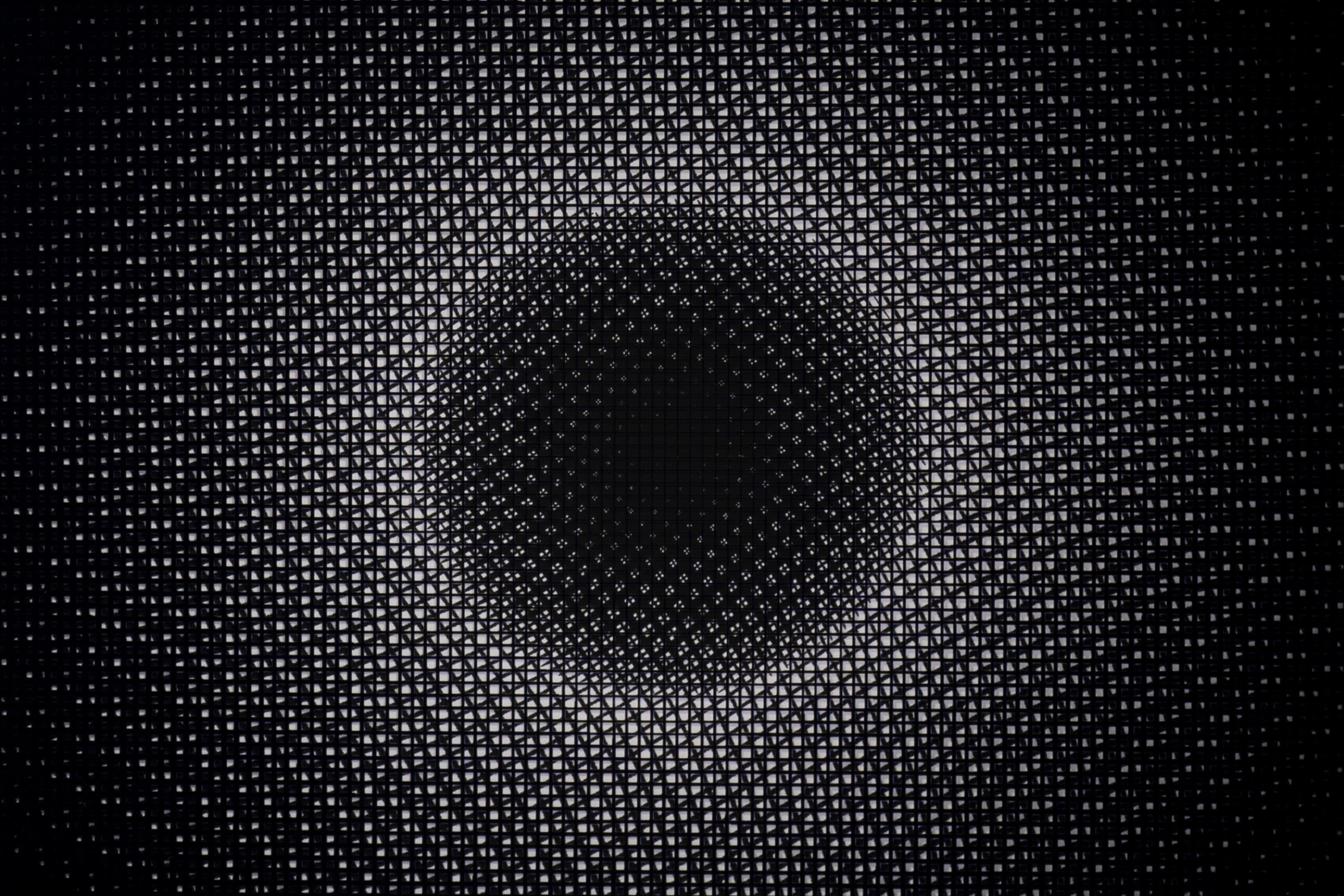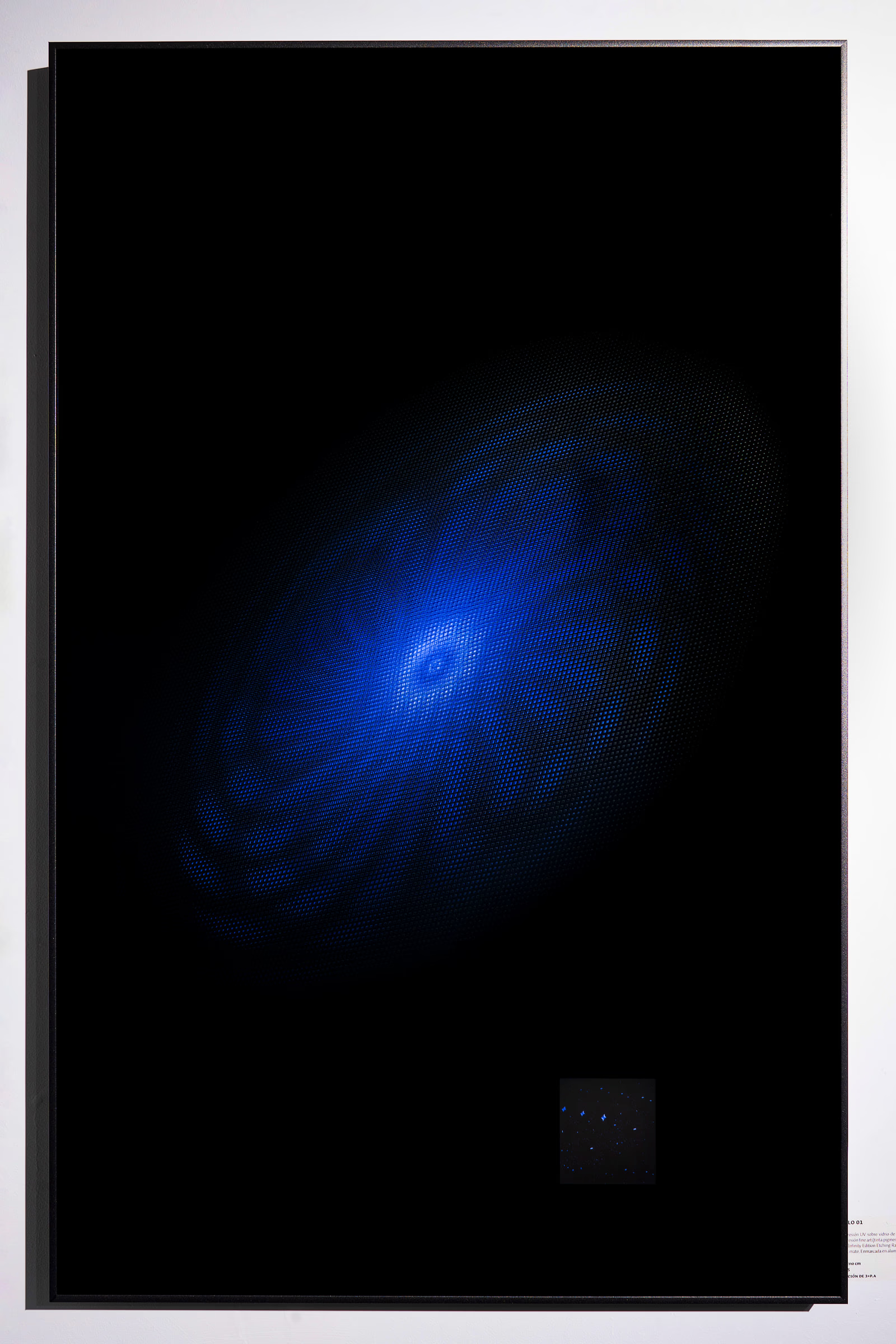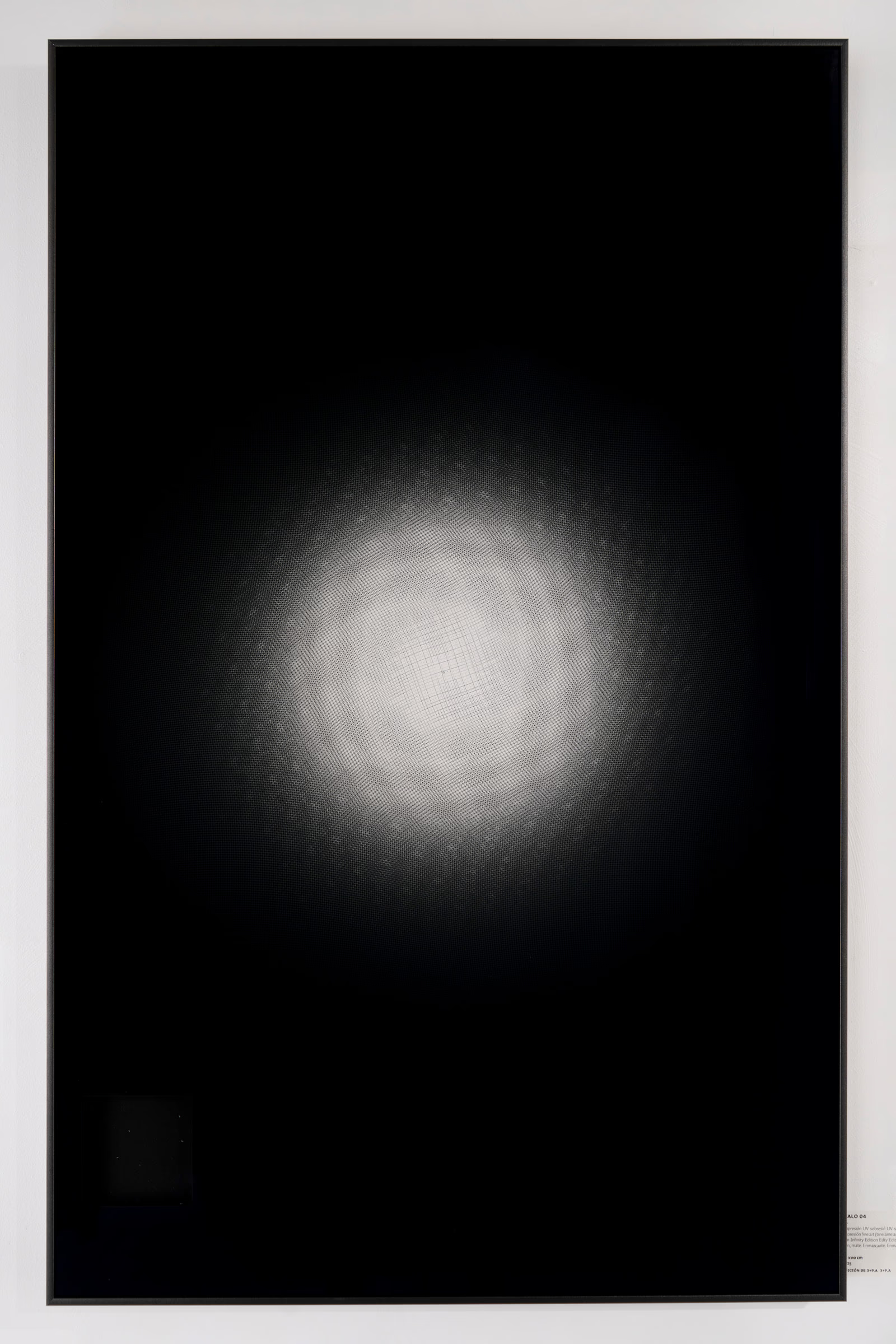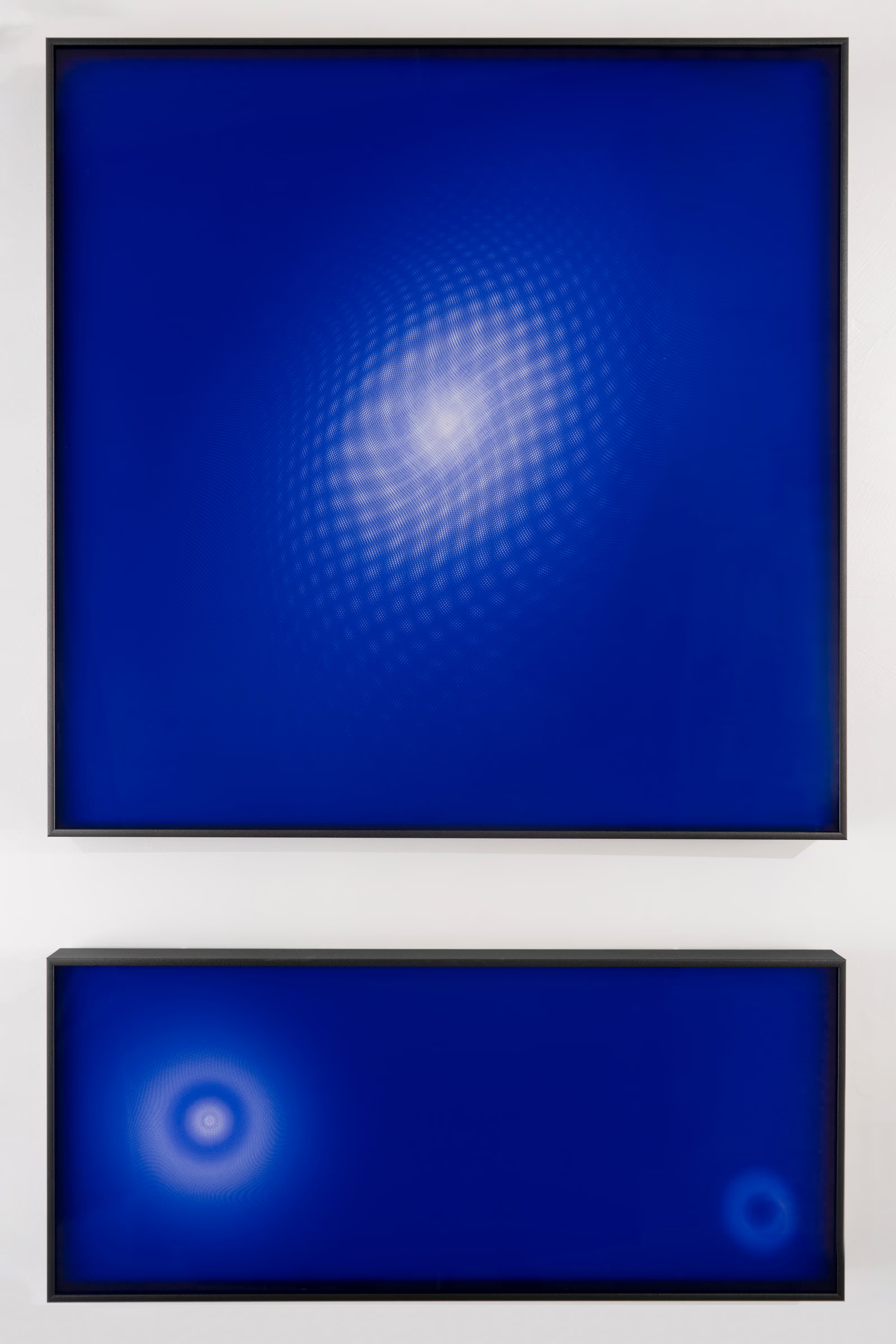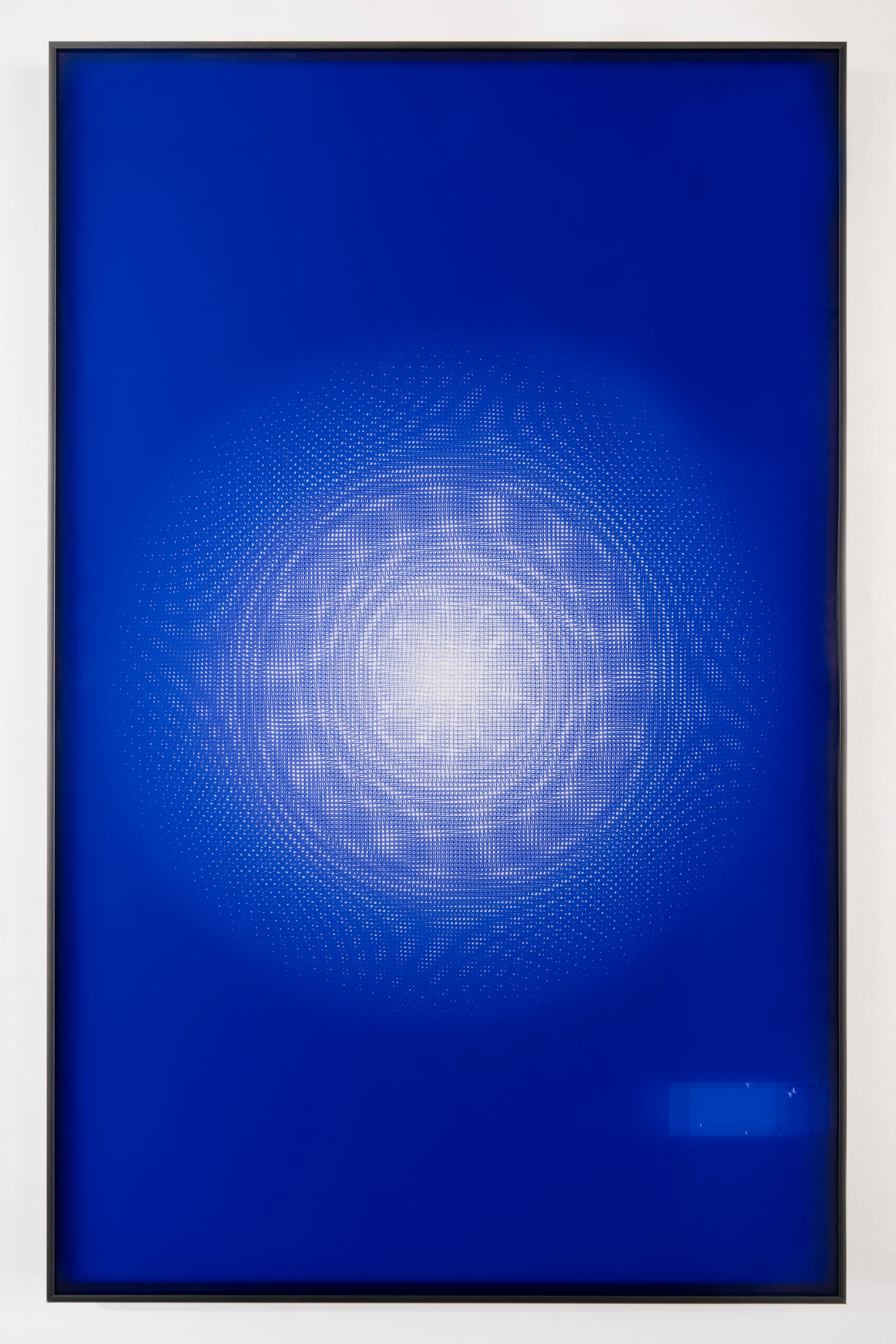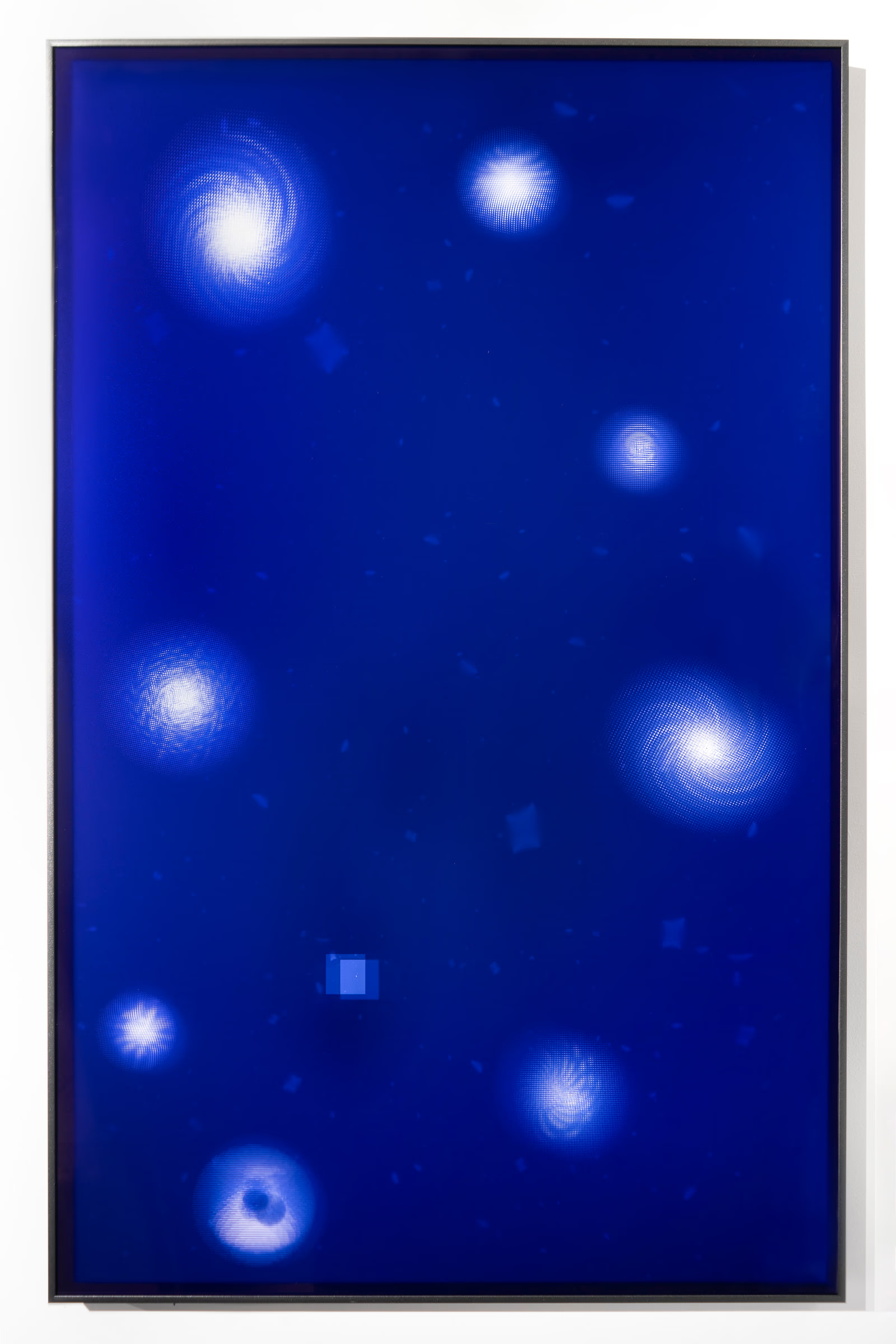
Cosmos construye luz sin emitirla. A través de impresiones y superposiciones en transparencia, la exposición propone una luminosidad aparente que surge del material: negro y azul saturado sostienen un campo profundo donde capas, contornos y distancia producen volumen.
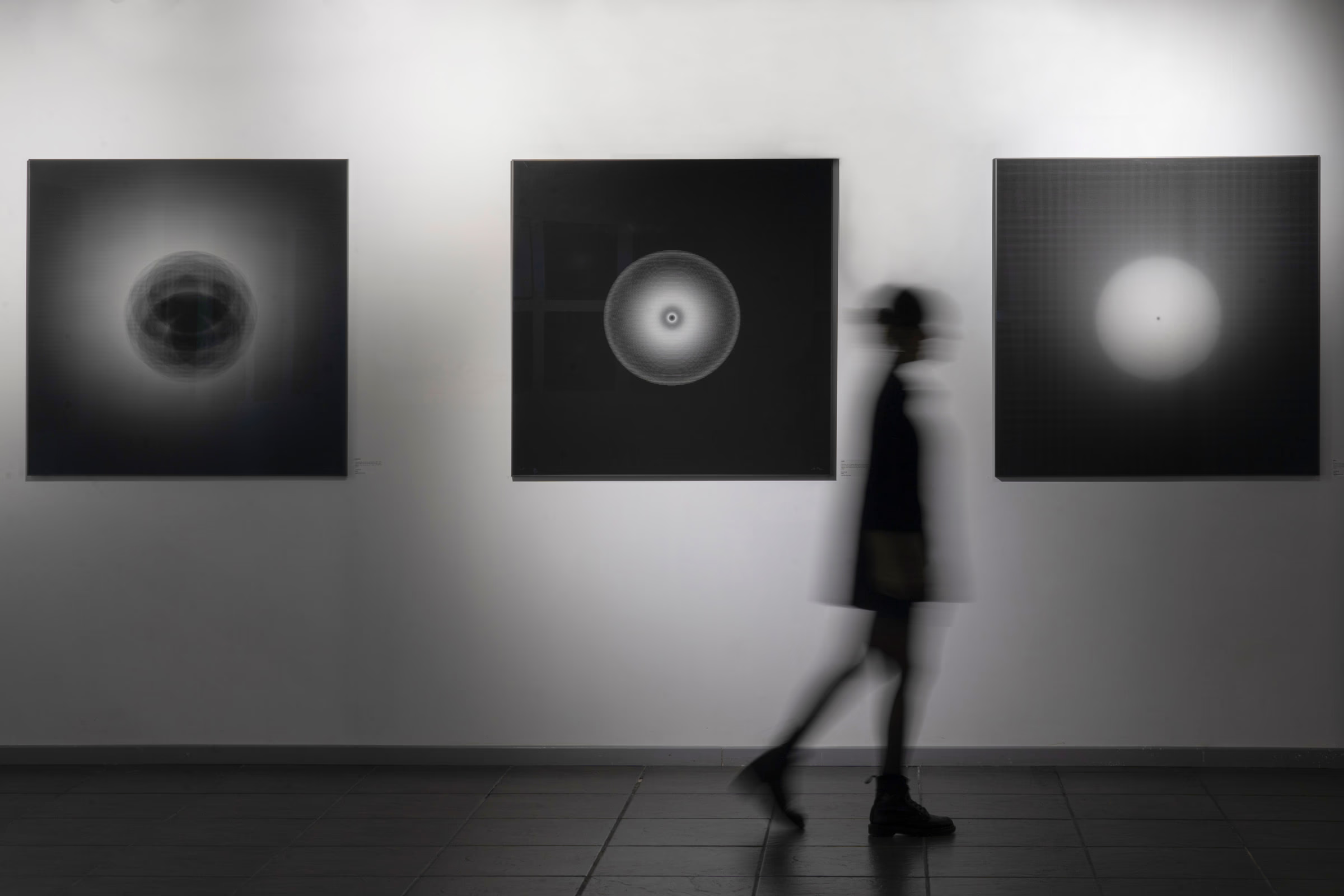
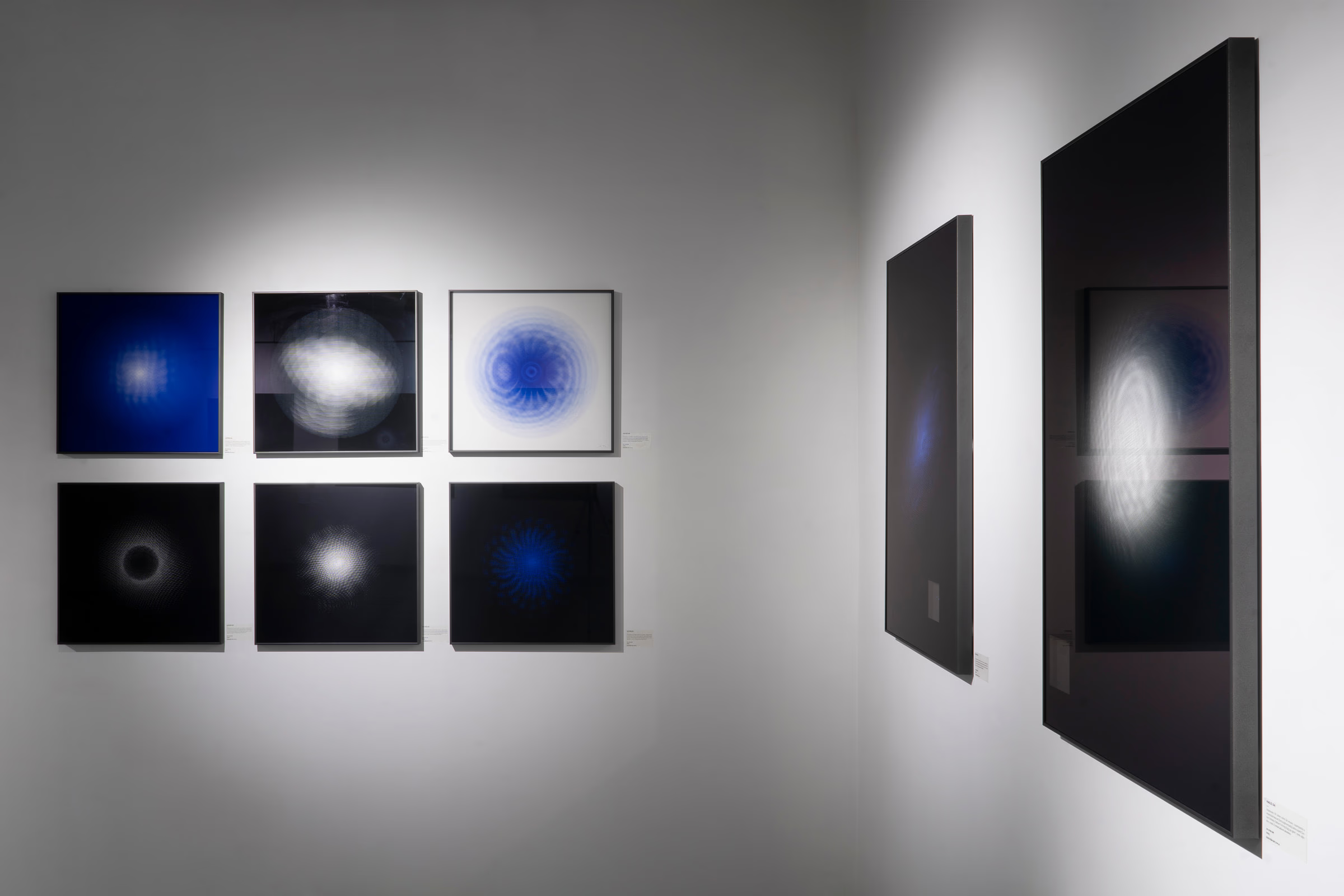
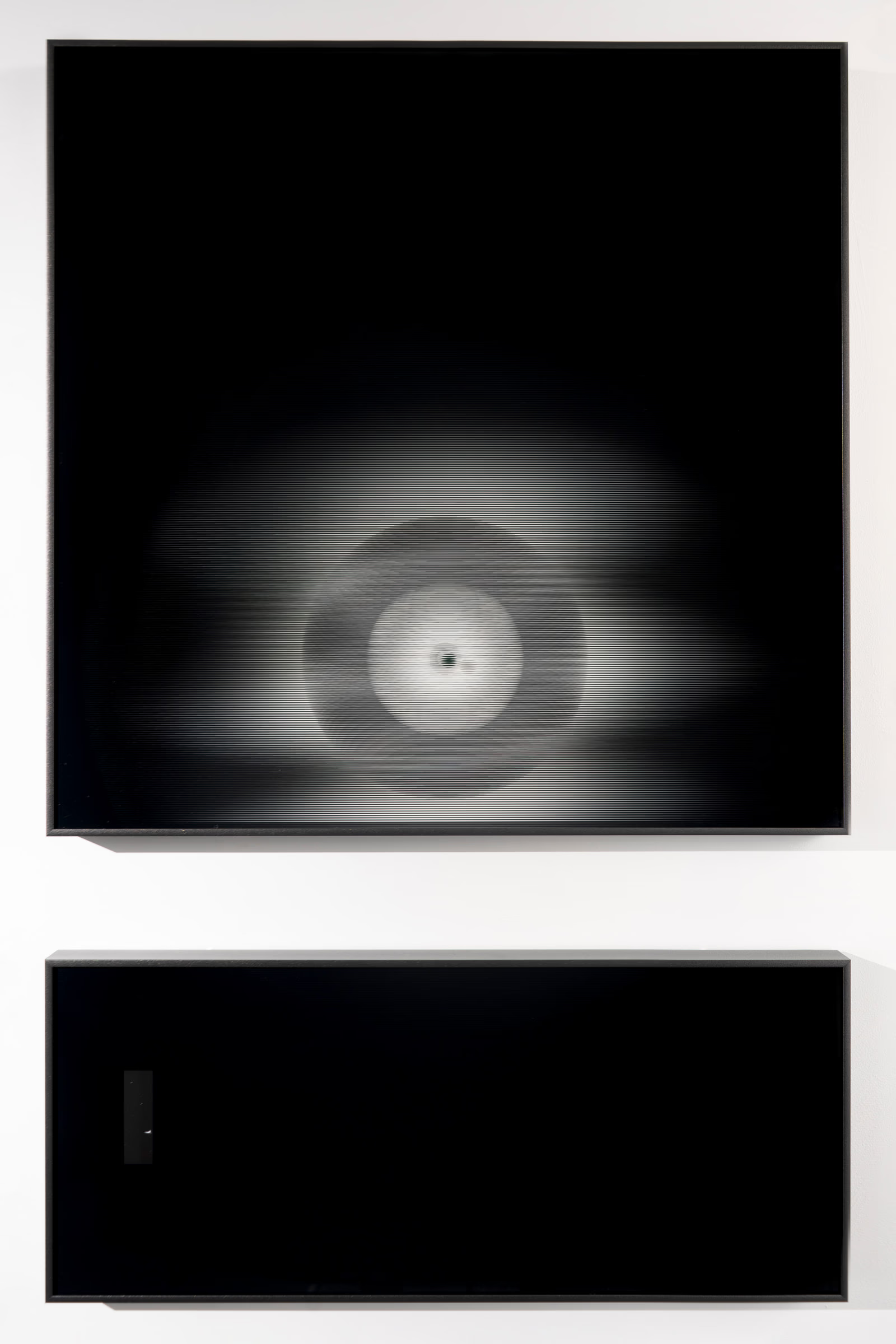
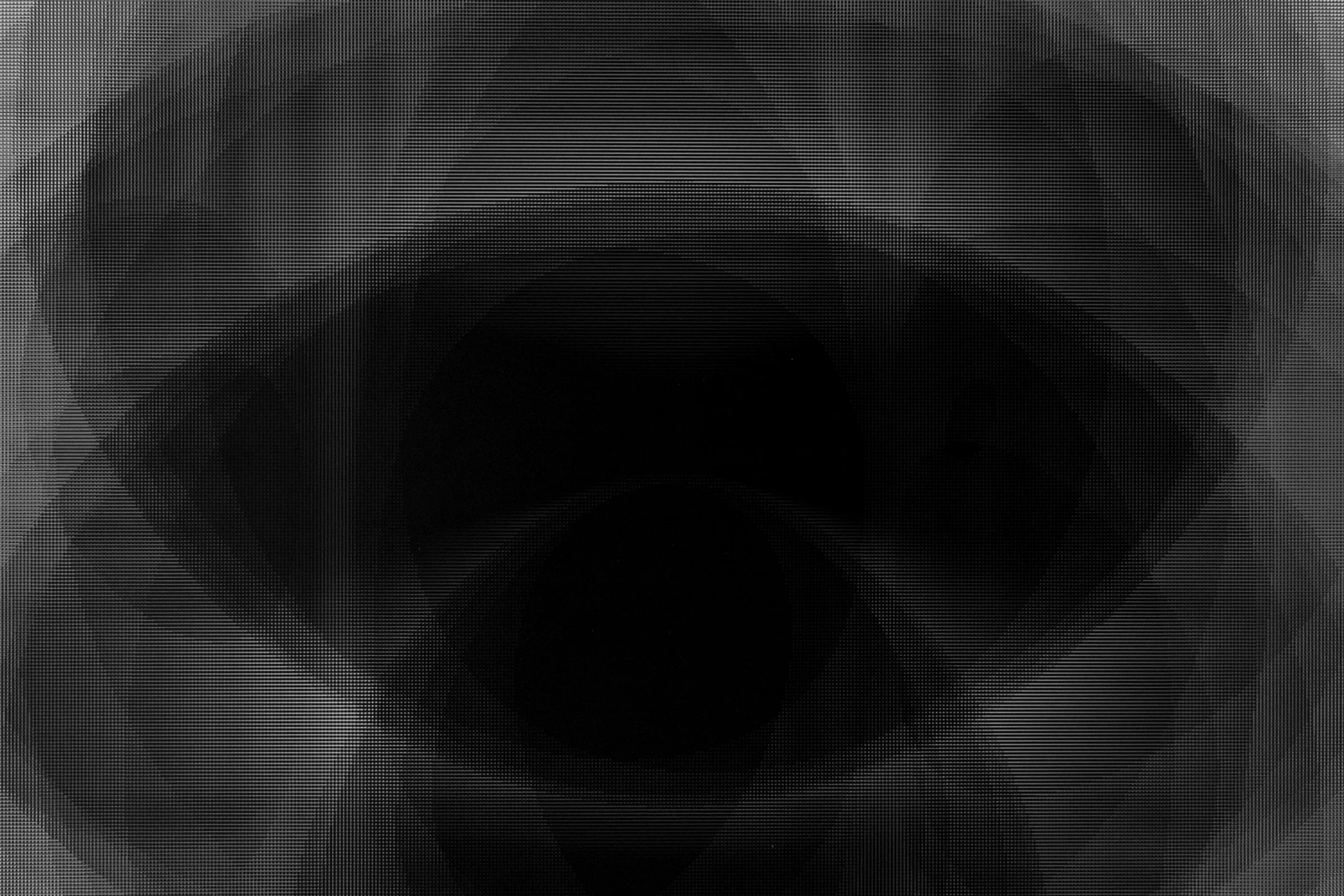
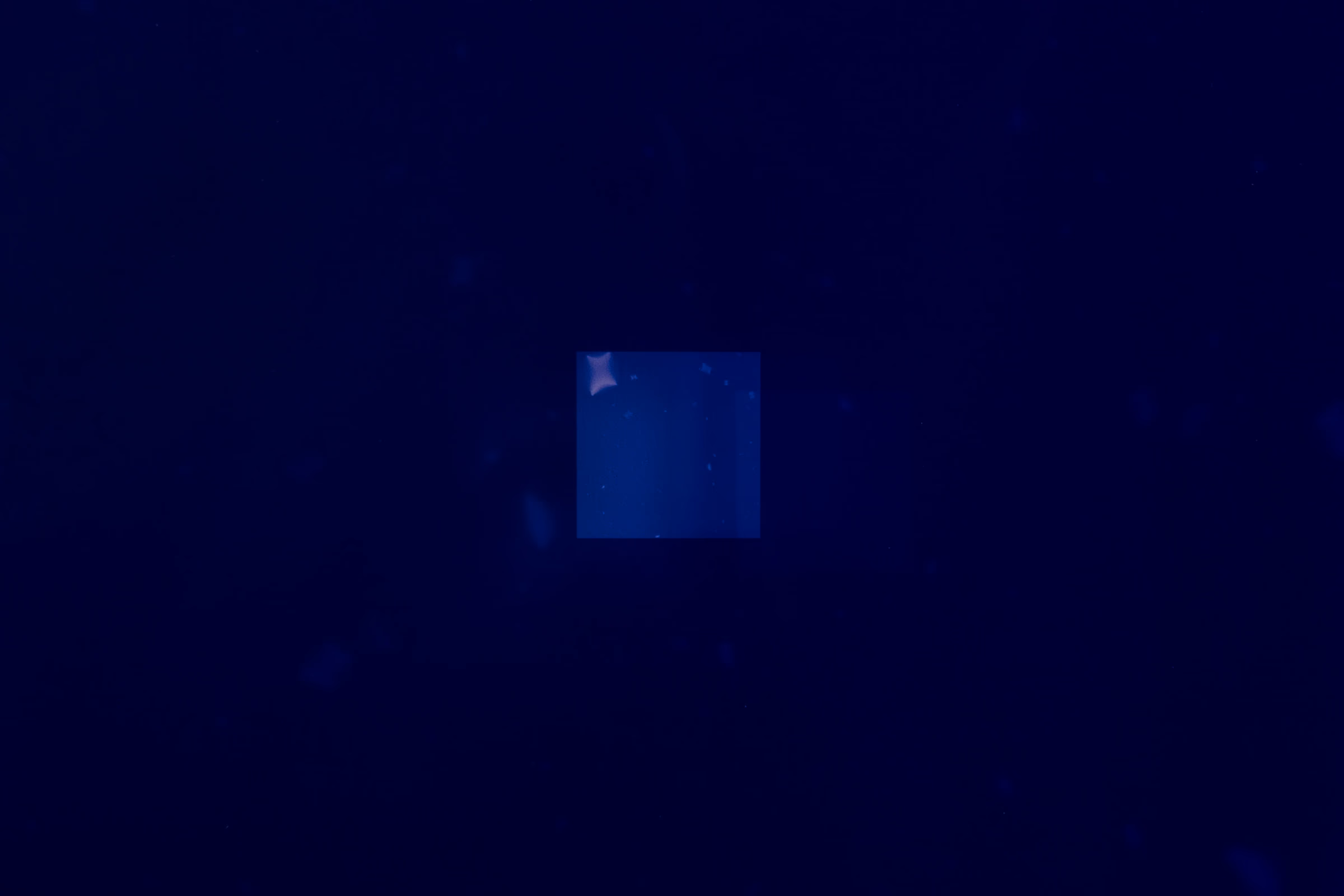
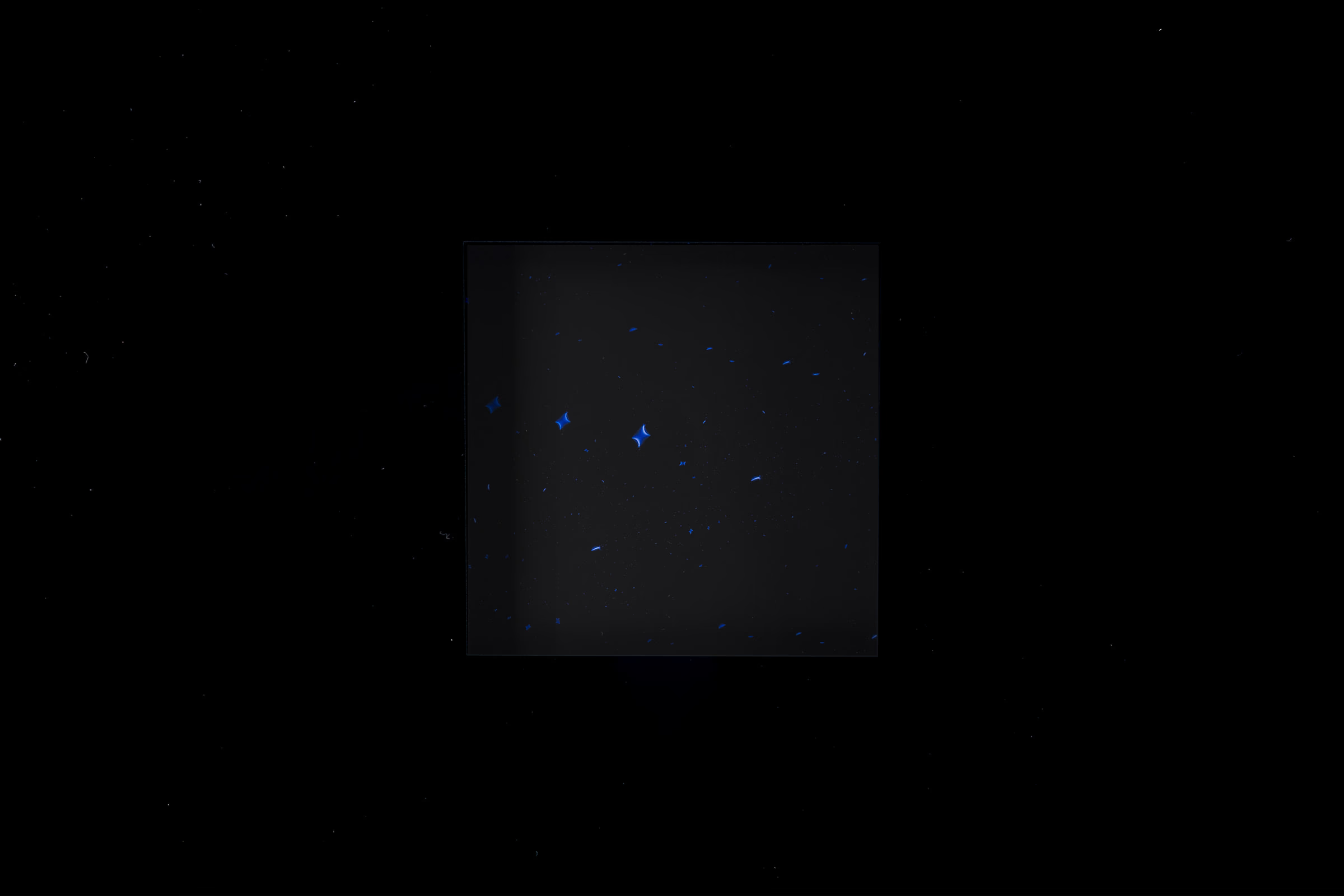
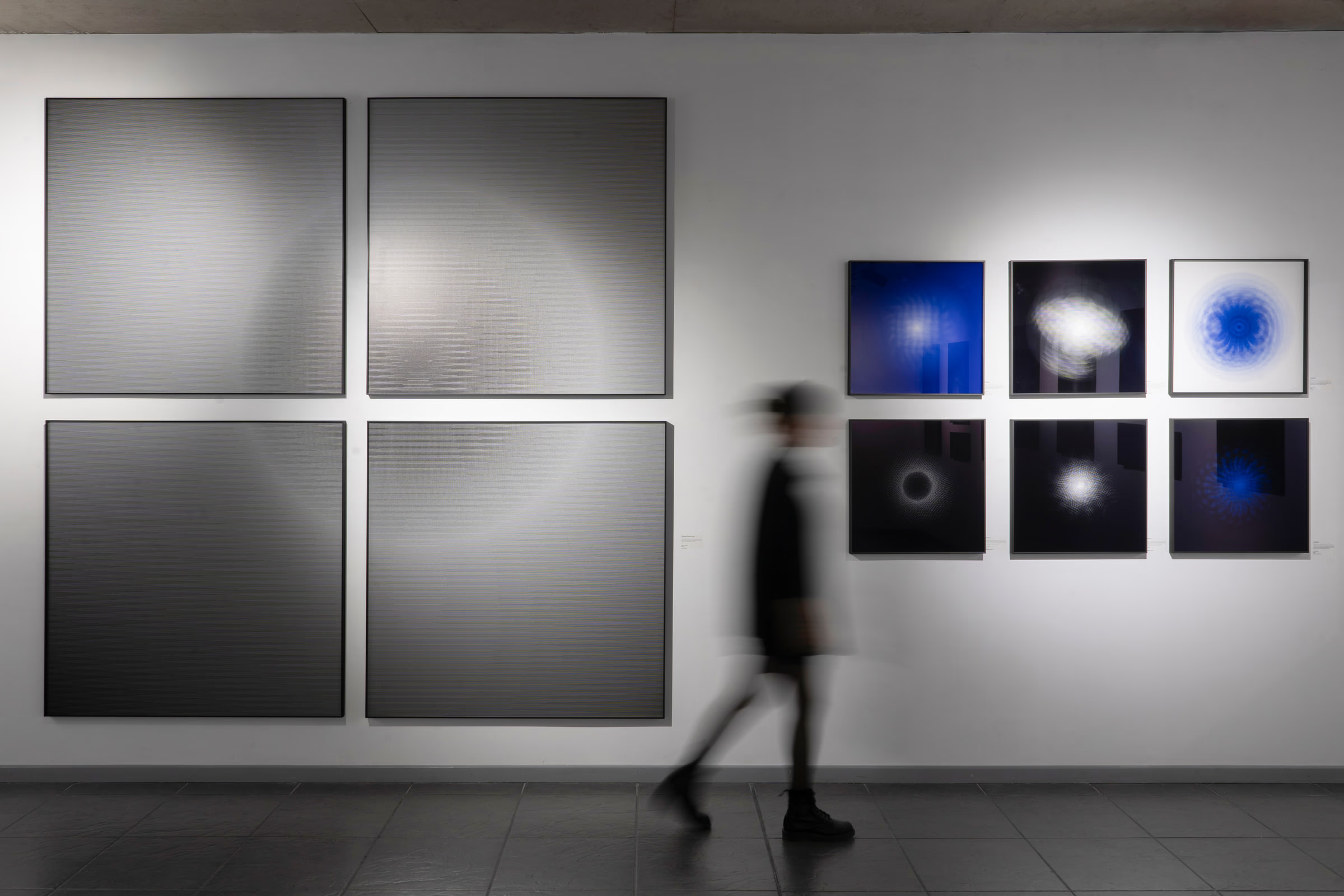
En el centro, ocho obras rectangulares funcionan como ventanas al universo. En cada una, un disco transformado por operaciones paramétricas (torsiones, elongaciones y desplazamientos radiales) se compone de cientos de figuras simples ordenadas con precisión numérica. Ese sistema genera gradientes y vibraciones ópticas que sugieren volumen sin masa: una imagen que parece encenderse desde adentro. Una apertura mínima revela la capa posterior y un campo de estrellas, interrumpiendo la ilusión de pantalla y afirmando la condición física de la obra. A este núcleo se suman seis piezas cuadradas de formato menor, variaciones concentradas de la misma gramática. Un políptico en aluminio compuesto expande la escala: el metal opera como materia lumínica, amplificando el campo perceptivo mediante reglas de repetición y variación. Finalmente, tres obras en papel llevan la investigación a un registro silencioso, donde la luz sobre negro se organiza con geometrías esenciales y rigor matemático.
En un mundo saturado de pantallas, Cosmos insiste en lo analógico: imagen material, sin dispositivos visibles. La luz no se proyecta ni se enciende; aparece como un fenómeno óptico que depende de capas, distancia y atención. La luz aparente no viene de ninguna fuente: se construye entre el rigor del sistema y el cuerpo que recorre la obra.
Cosmos creates the experience of light without emitting any. Through printed layers and transparent overlays, the works conjure a kind of luminosity that seems to arise from the material itself. Black and saturated blue hold a deep field in which layers, contours, and distance generate volume.
At the center of the exhibition, eight rectangular works read as windows onto the universe. In each one, a disc shaped through parametric operations (twists, elongations, and radial shifts) is built from hundreds of simple forms arranged with numerical precision. The system produces gradients and subtle optical vibrations that suggest volume without weight, an image that appears to glow from within. A small opening reveals the layer behind and a star field, breaking the screen-like illusion and insisting on the work’s physical presence.
Around this core, six smaller square works compress the same visual grammar into tighter variations. A composite aluminum polyptych expands the scale: here, the metal behaves like luminous matter, extending the perceptual field through repetition and variation. Finally, three works on paper carry the investigation into a quieter register, where light on black is organized through essential geometries and mathematical rigor.
In a world saturated with screens, Cosmos returns to the analog: a material image with no visible devices. Light is neither projected nor switched on; it emerges as an optical phenomenon shaped by layers, distance, and attention. This light comes from no source. It takes form between the rigor of the system and the viewer’s moving body.